
Traveller 1 of 2
Anastasia R.
Millennial, 30–35
the problemOne trip, scattered across too many apps.
“I jump between social, notes and booking sites.”No more tabs
enemy no.02 · kaijū filedefeated
A social marketplace for travel: share what you found, plan it day by day, leave together.
the idea
A trip starts on a reel and dies in a folder of screenshots. Onderò keeps it alive: saved, mapped, planned, then sold as a guide.
Cut one tab, three more appear.

boss stats
who it’s for
Same app, two very different bad habits.
A feed that ends in a plan.
Millennial, 30–35
the problemOne trip, scattered across too many apps.
“I jump between social, notes and booking sites.”No more tabs

Gen Z, 20–25
the problemInspired by a reel, nothing to book.
“Show me trips I can book right away.”Book it now
the process
01 · research
Travellers, and the creators they already ask for tips.
02 · user stories
The persona stories from the file, sorted by the job they ask for.
03 · map to trip
Find it on the map, follow it in the trip.
the product
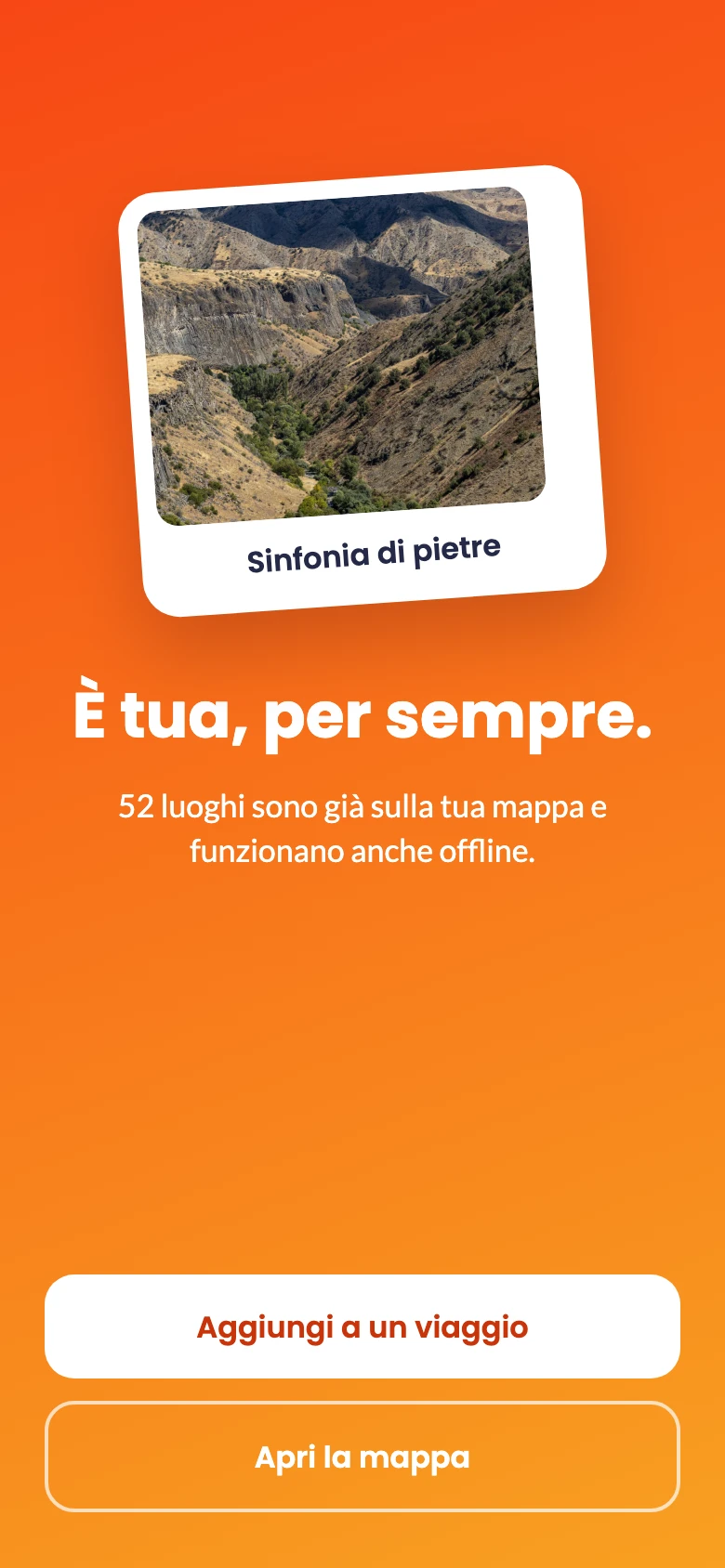
(guides from people who went)
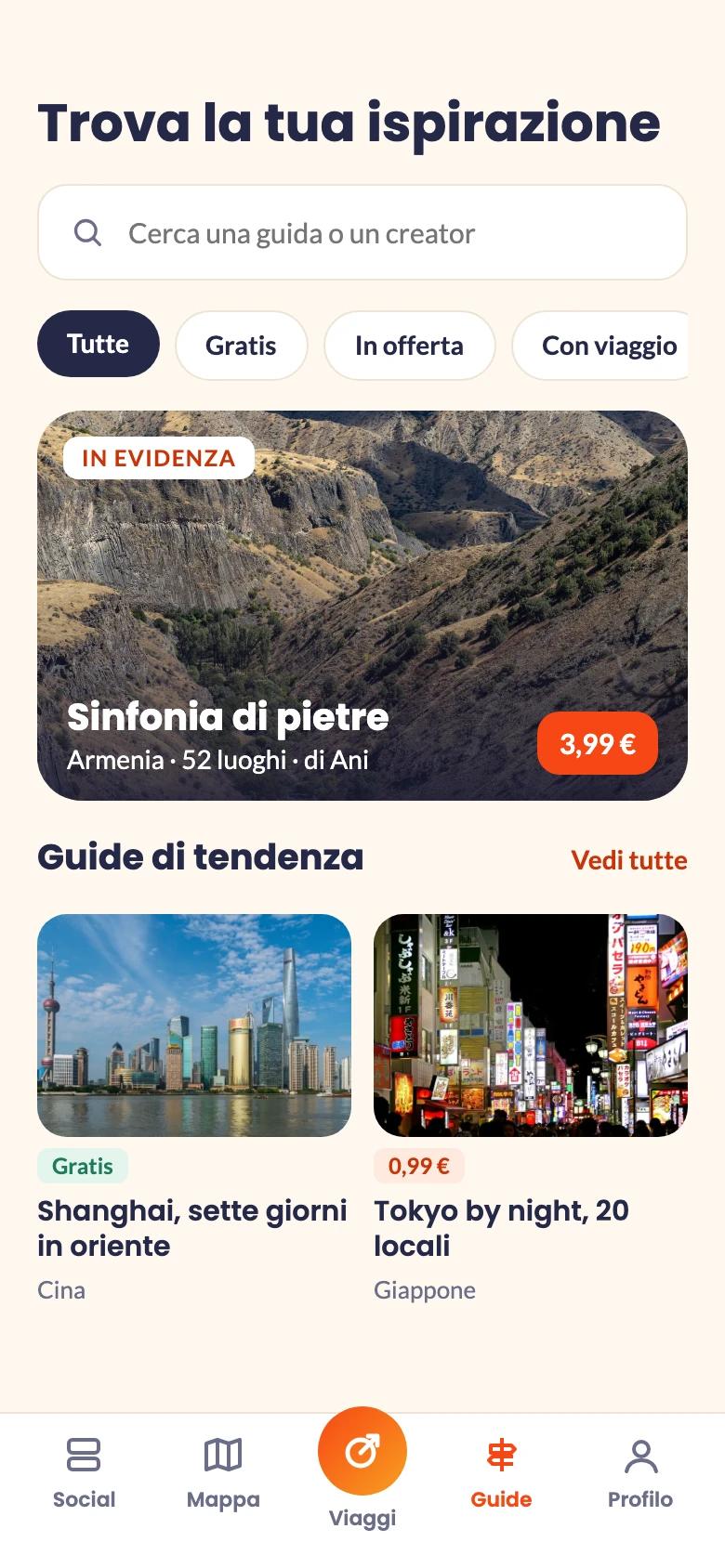
(a diary, not a story)
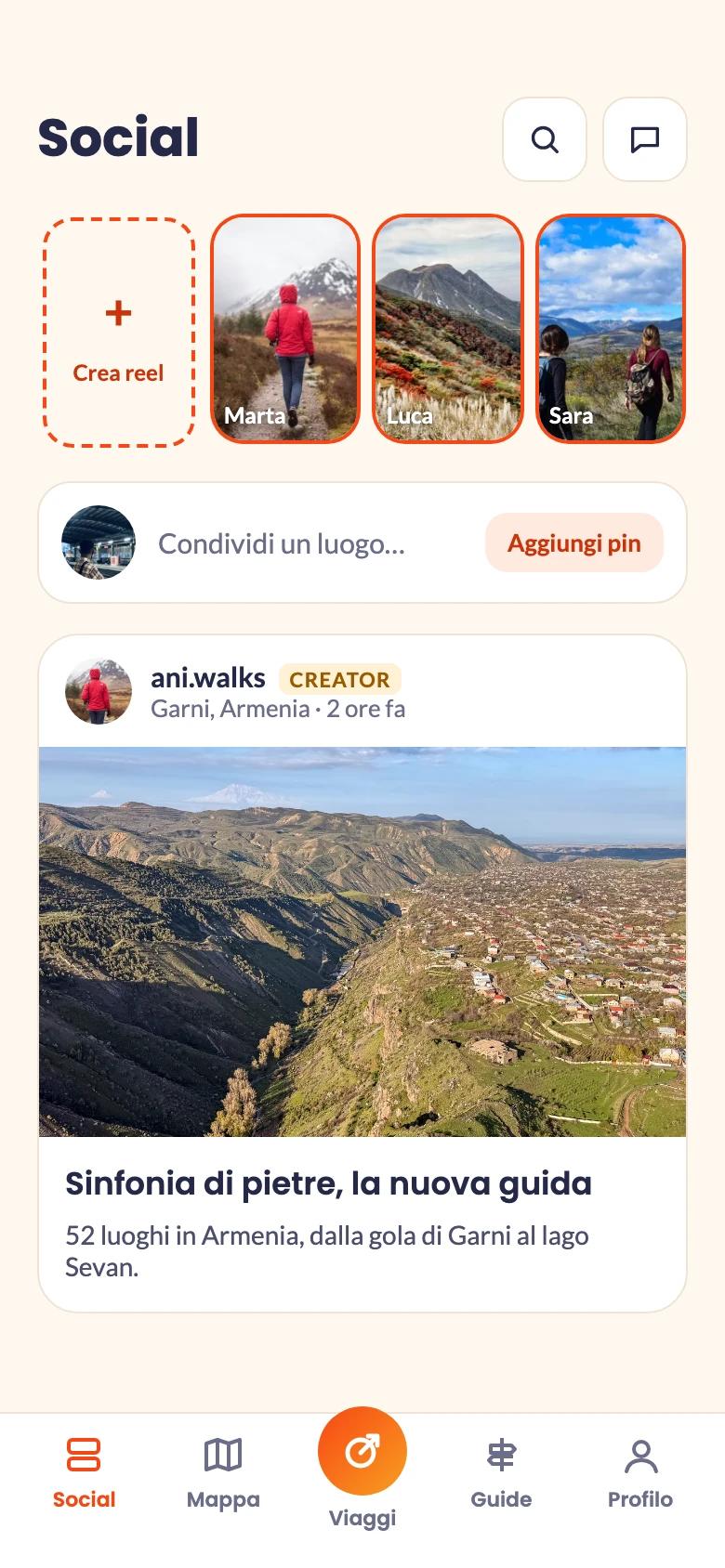
(start from your wishlist)
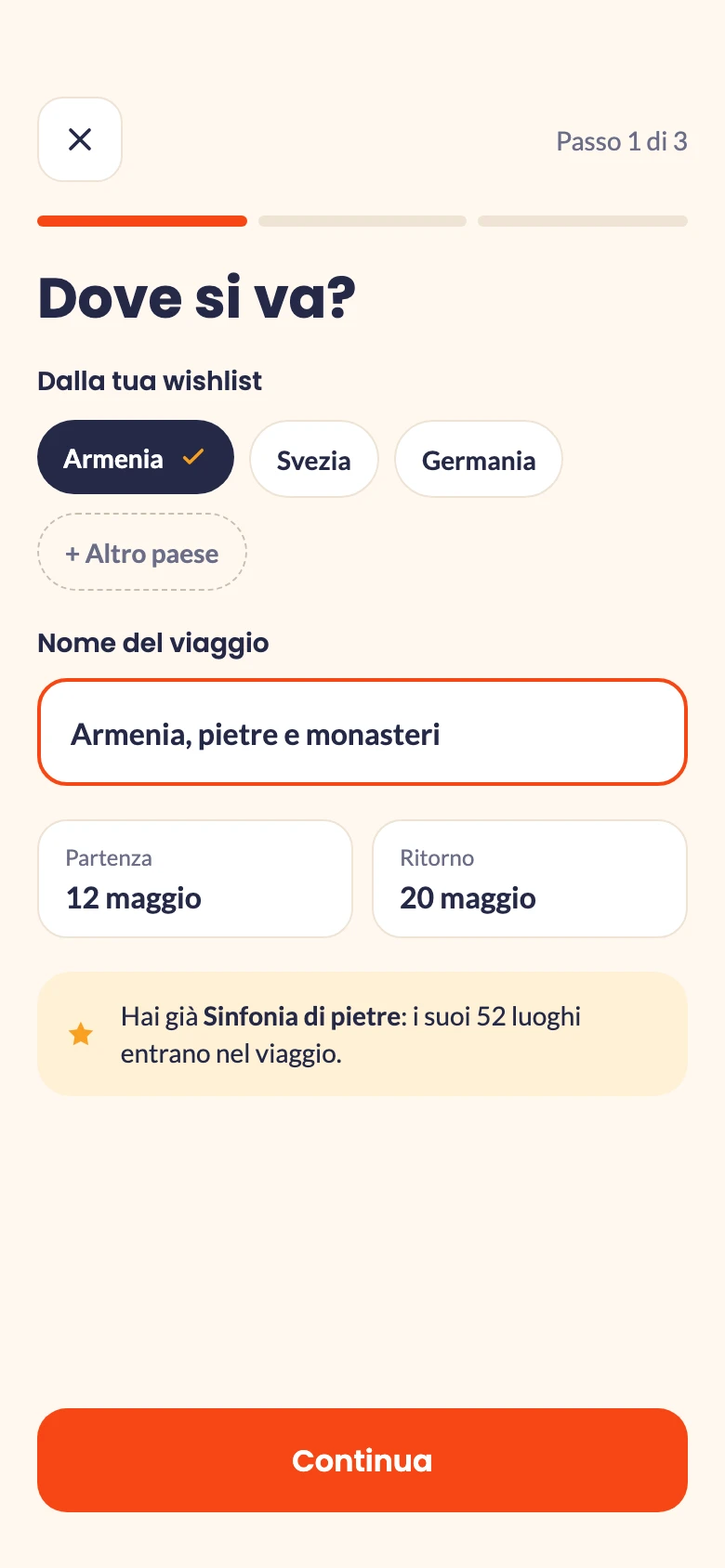
(a route you can preview)
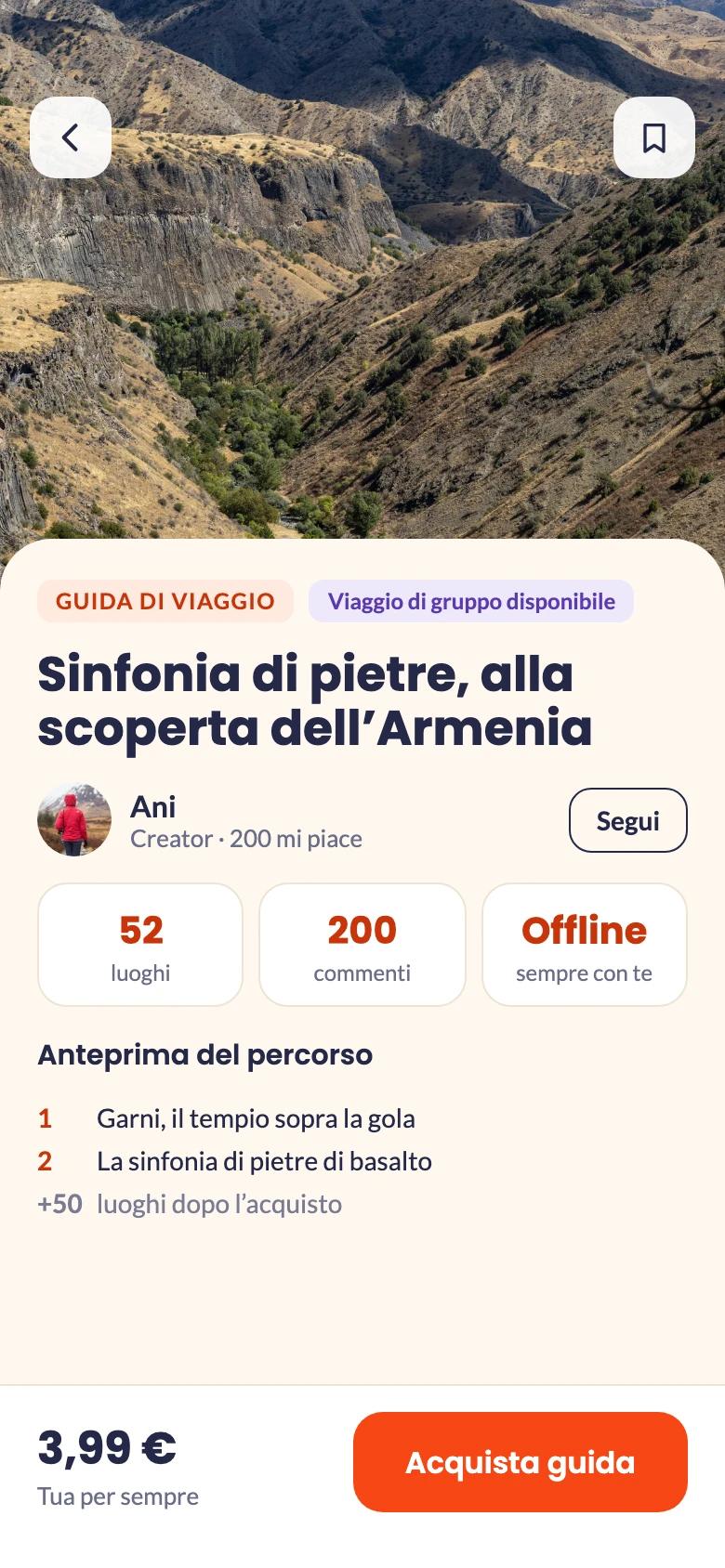
the interface
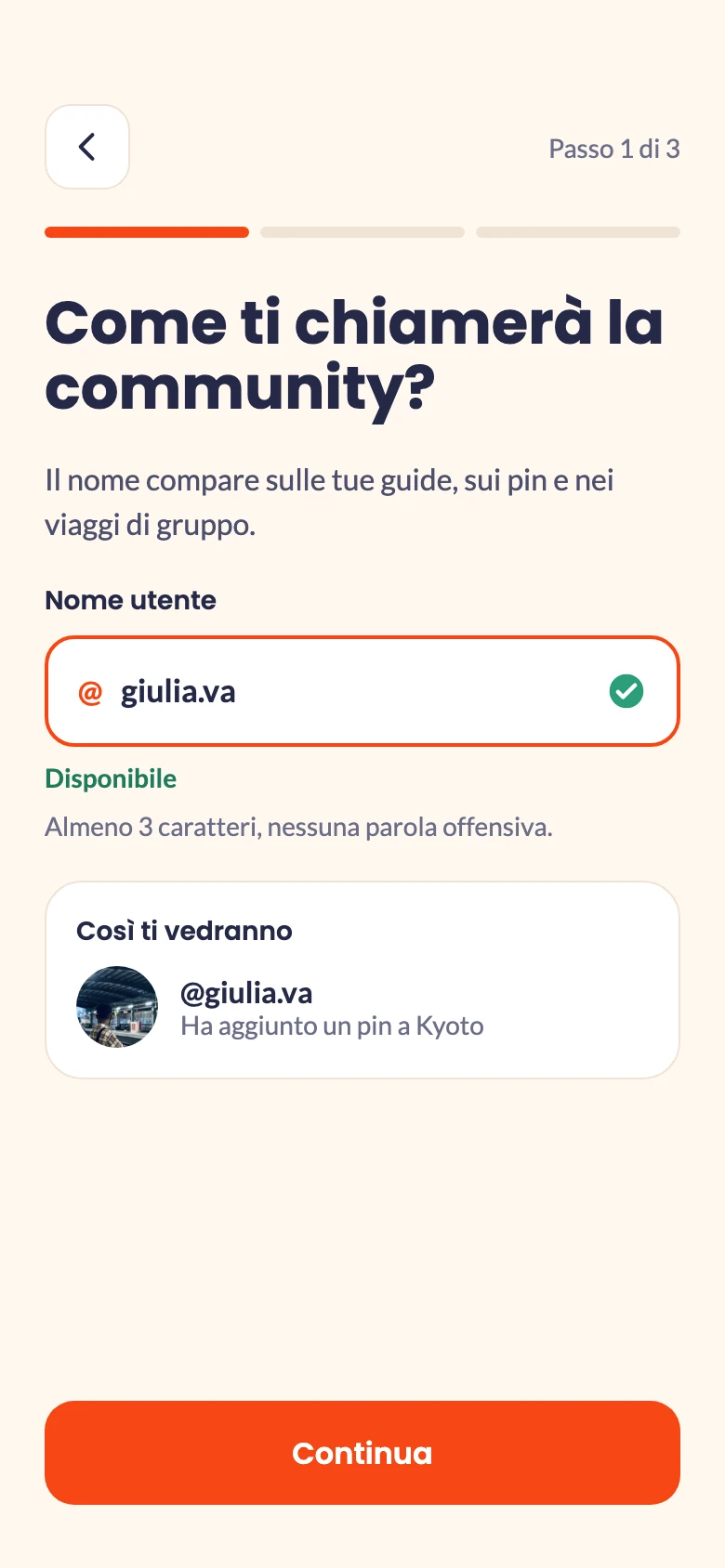
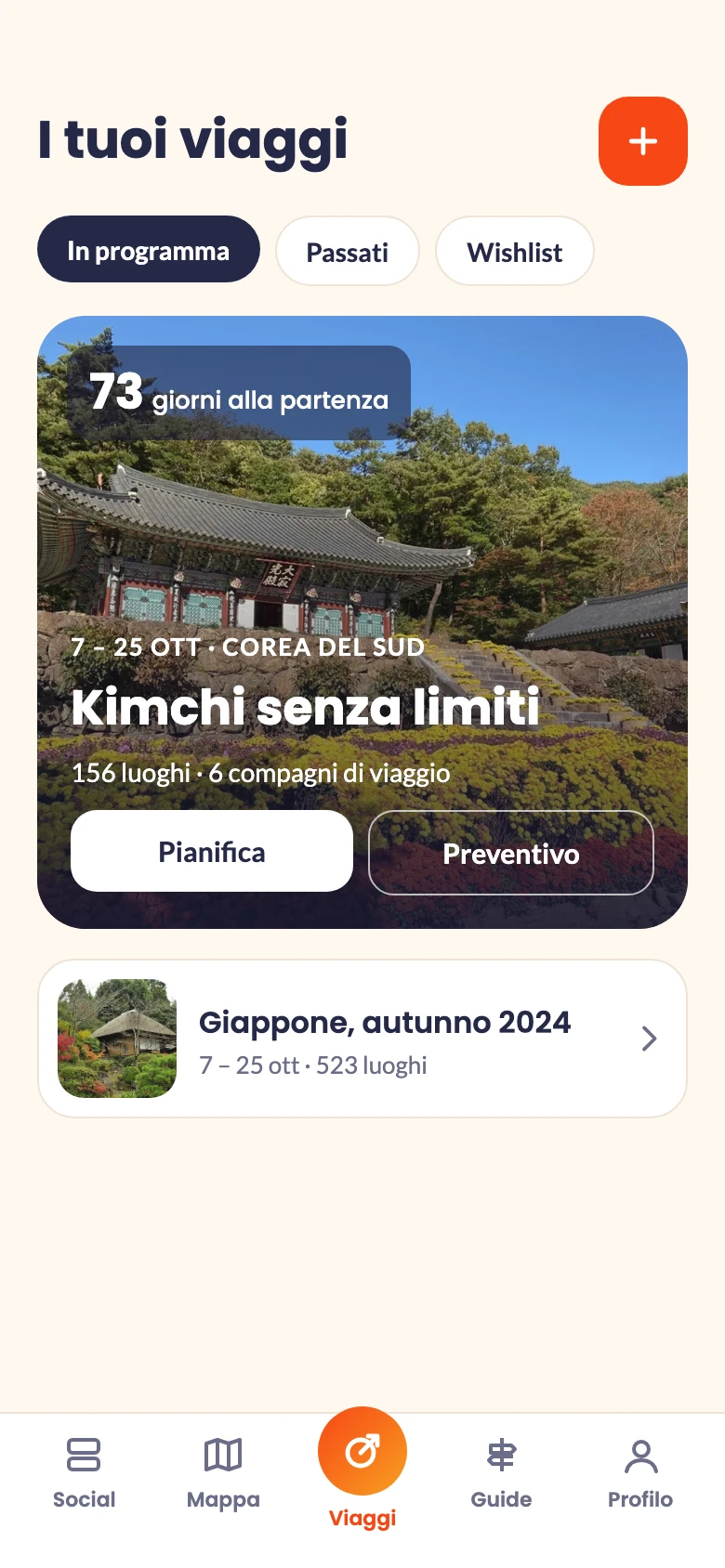
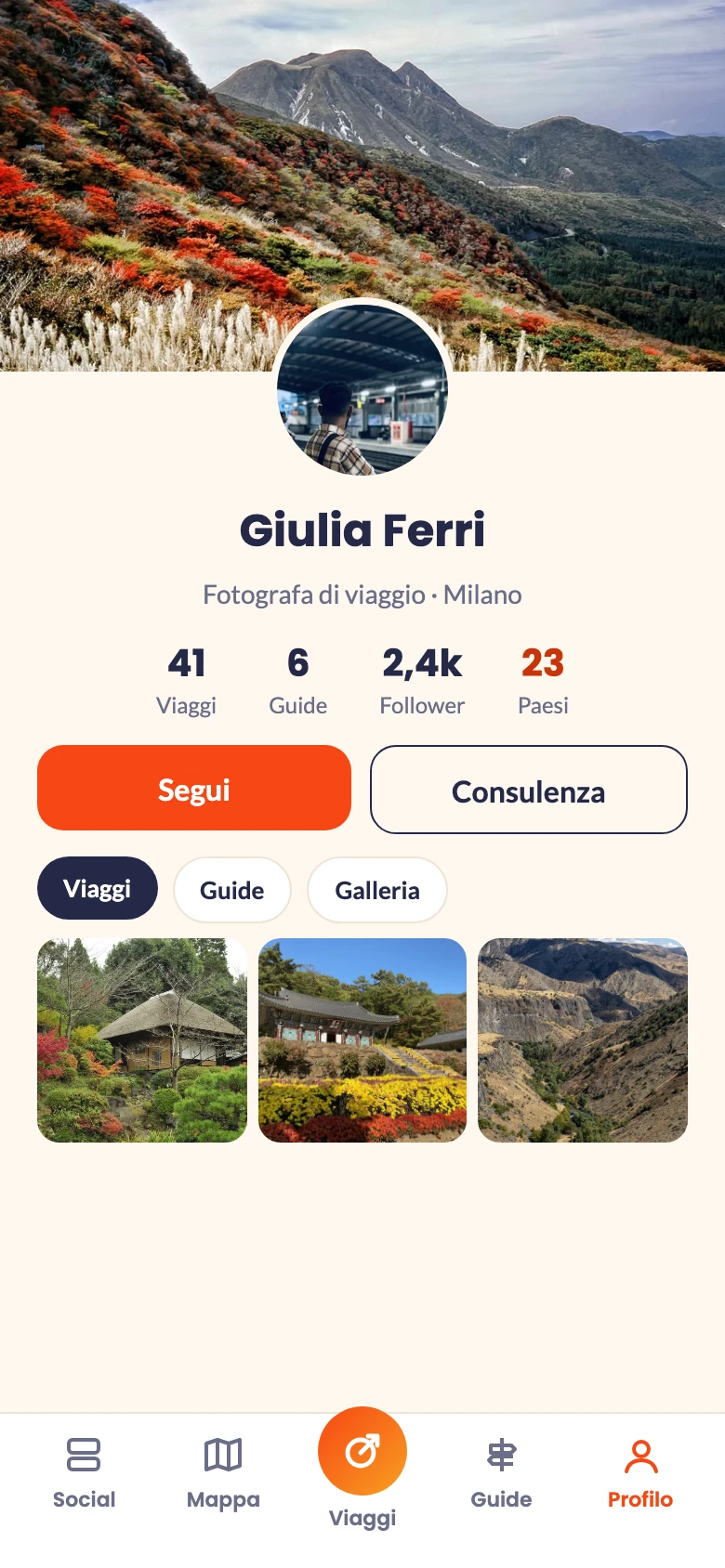
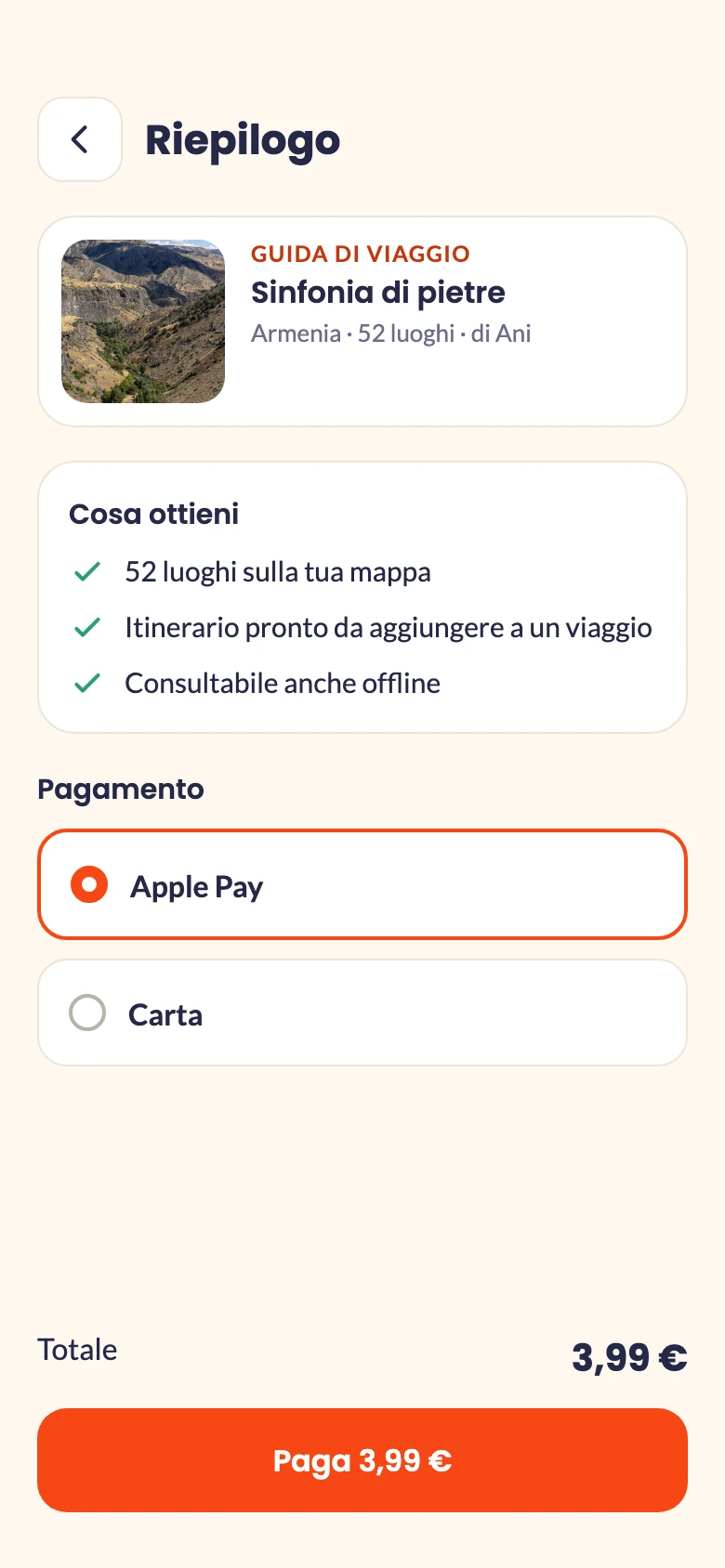
Map, guides, trips and people, in the same warm light: labelled navigation, one clear action per screen, real photos.
ux decisions
A place is never a row in a list. It’s a pin first, then a guide.
The diary fills it in. The creator picks what to show and the price.
A game on the world map that teaches the app what you like. Never a wall.
People buy an itinerary, not a promise.
brand & system
A globe crossed by a route, the arrow already leaving. Orange acts, sunset marks the creators, night carries the text.



aftermath
Where the trip got to.
A reel turns into a pin, a pin into a day of the trip.
Itineraries that lived in DMs now have a price and a preview.